Reliable Wood Chipping Florence Parks
The Importance of Arborists: All-Inclusive Care for Optimal Tree Growth and Risk Management.
Arborists serve a vital role in maintaining the well-being and security of trees. Their expert understanding covers aspects such as tree biology, pest control, and structural integrity. Regular maintenance is vital to avoiding possible dangers and encouraging development. However, numerous landowners miss the indicators of tree distress that could lead to serious consequences. Grasping the services of an arborist can drastically improve the duration and appearance of landscapes. What are the key services they provide?
Knowing the Purpose of Arborists
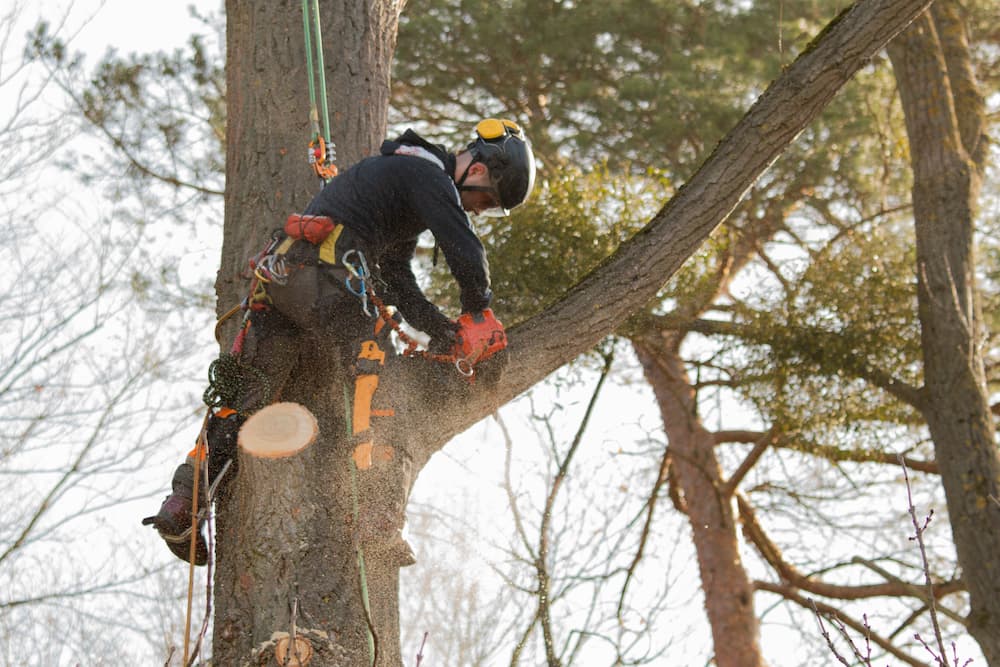
Although many people appreciate the beauty of trees, few understand the crucial role that arborists play in ensuring their well-being. Tree specialists are experts trained in the science and art of tree care. They possess a deep understanding of tree biology, ecology, and the many variables that influence tree development and firmness. Arborists assess trees for signs of disease, pest infestations, and weak points in the structure, ensuring that trees thrive in their environments. Arborists further the cause of the ecological benefits of trees, such as carbon sequestration and wildlife habitat, stressing their value in city development and environmental conservation. By applying optimal methods in tree care, arborists contribute to the general vitality of urban forests and landscapes. Their skill is necessary in teaching others about proper tree management, building more respect for trees and the vital part they play in the ecosystem.
Main Offerings Available by Arborists
Tree specialists provide a diverse selection of necessary services that help maintain the well-being and security of trees. One primary service is tree pruning, which means taking off dead or diseased branches to encourage development and prevent hazards. Tree specialists perform tree assessments, evaluating the condition and structural integrity of trees, pinpointing possible dangers, and advising on the best course of action. Furthermore, they provide planting services, guaranteeing trees are located in suitable locations with optimal dirt composition to thrive
One more vital service is controlling diseases and pests, practical tips with arborists who identify problems and implement treatment plans to preserve the trees (Florence Arborist). Moreover, many arborists perform tree removal when necessary, safely dismantling hazardous trees to lessen hazards to property and people. Lastly, they offer consultation services, educating clients on practices for tree care that promote vigorous growth. In summary, these services are vital for maintaining urban and rural landscapes
The Benefits of Regular Tree Maintenance
Consistent tree care offers numerous benefits that boost the trees' well-being and the security of the nearby area. By implementing consistent care, such as pruning and thinning, trees can grow more robustly, facilitating improved light penetration and air circulation. This promotes sound structural growth and lowers the danger of pest and disease outbreaks. In addition, regular maintenance helps to remove dangerous or dead limbs, reducing the chance of harm to property or people during high winds or storms.
Moreover, well-maintained trees enhance the aesthetic appeal of landscapes, increasing property value. They also support biodiversity by creating homes for various species. Engaging professional arborists makes certain that maintenance practices are executed properly, drawing on their skill to judge the health of the tree and apply appropriate treatments. Taken together, regular maintenance promotes a safer environment while boosting the lifespan and health of trees, aiding the community and the ecosystem.
Recognizing Symptoms of Tree Stress
How do you know when a tree is suffering? Knowing the indicators of tree distress is crucial for maintaining tree health and safety. Important signs involve leaves that are yellow or wilted, which may suggest insufficient water or a shortage of nutrients. In addition, a high volume of dropped leaves can indicate distress, especially during growing seasons. Different bark textures, such as peeling or cracking, often signal deeper problems, including the presence of pests or disease. An unusual number of dead branches, particularly if they are scattered broadly, signals diminishing health. In addition, roots that are not secure, shown by roots that are exposed or leaning, could threaten a tree’s overall stability. Lastly, the appearance of fungal growth around the bottom of the tree may indicate decay. When these signs are spotted promptly, tree owners can act decisively to reduce potential hazards and foster optimal tree health, securing the safety and lifespan of their trees.
Choosing the Right Arborist for Your Needs
In the process of choosing an arborist, what factors should one consider to guarantee the best fit for their tree care needs? Initially, qualifications are vital; a certified arborist should possess relevant qualifications and training in tree care. Experience also plays a significant role; those with a proven track record tend to offer superior service. Furthermore, checking references and customer reviews helps shed light into an arborist’s professional standards and dependability.
Another important consideration is the types of services available. Whether tree pruning, disease management, or emergency care, the chosen professional needs to handle to specific needs. Moreover, it is wise to check on insurance and safety practices to assure protection against potential liabilities. To conclude, receiving quotes from different providers allows you to compare cost and value, facilitating a well-informed choice. By carefully evaluating these factors, individuals can choose an arborist who aligns with their requirements and promotes the health and safety of their trees.
Frequently Asked Questions
What is the Recommended Frequency for Tree Maintenance?
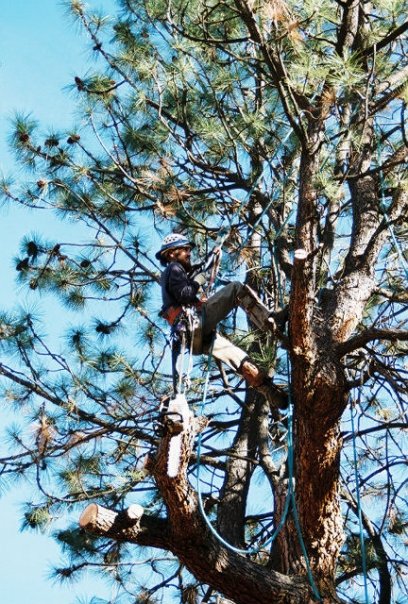
Scheduling tree maintenance is recommended at least once a year for the majority of trees (Florence Arborist). Yet, specific needs may vary based on the species, climate, and tree maturity, necessitating adjustments to the maintenance schedule accordingly
What Certifications Should I Look for in an Arborist?
When seeking an arborist, one should look for certifications such as ISA (International Society of Arboriculture) certification, accreditation by the TCIA (Tree Care Industry Association), or local licenses that demonstrate expertise in tree care and safety practices.
Are Arborists Able to Assist in Planting Trees?
Certainly, certified tree experts can aid with tree planting. They provide expertise regarding the selection of fitting species, guaranteeing the right techniques are used, and offering counsel on the location's environment, which fosters vigorous development and improving the environmental equilibrium of the landscape.
In What Ways Does the Weather Influence Arboricultural Maintenance?
Climatic factors significantly impact arboricultural practices. Temperature extremes, moisture levels, and wind patterns can affect growth, vitality, and vulnerability to pests, requiring tailored care strategies so that trees prosper in varying environmental conditions.
How Much Does It Typically Cost for Arborist Services?
The typical fee for employing a tree expert typically ranges from a minimum of $300 up to $1,500, depending on factors such as where you live, the height and girth of the tree, and how complicated the necessary work is for necessary tree upkeep and vitality checks.